
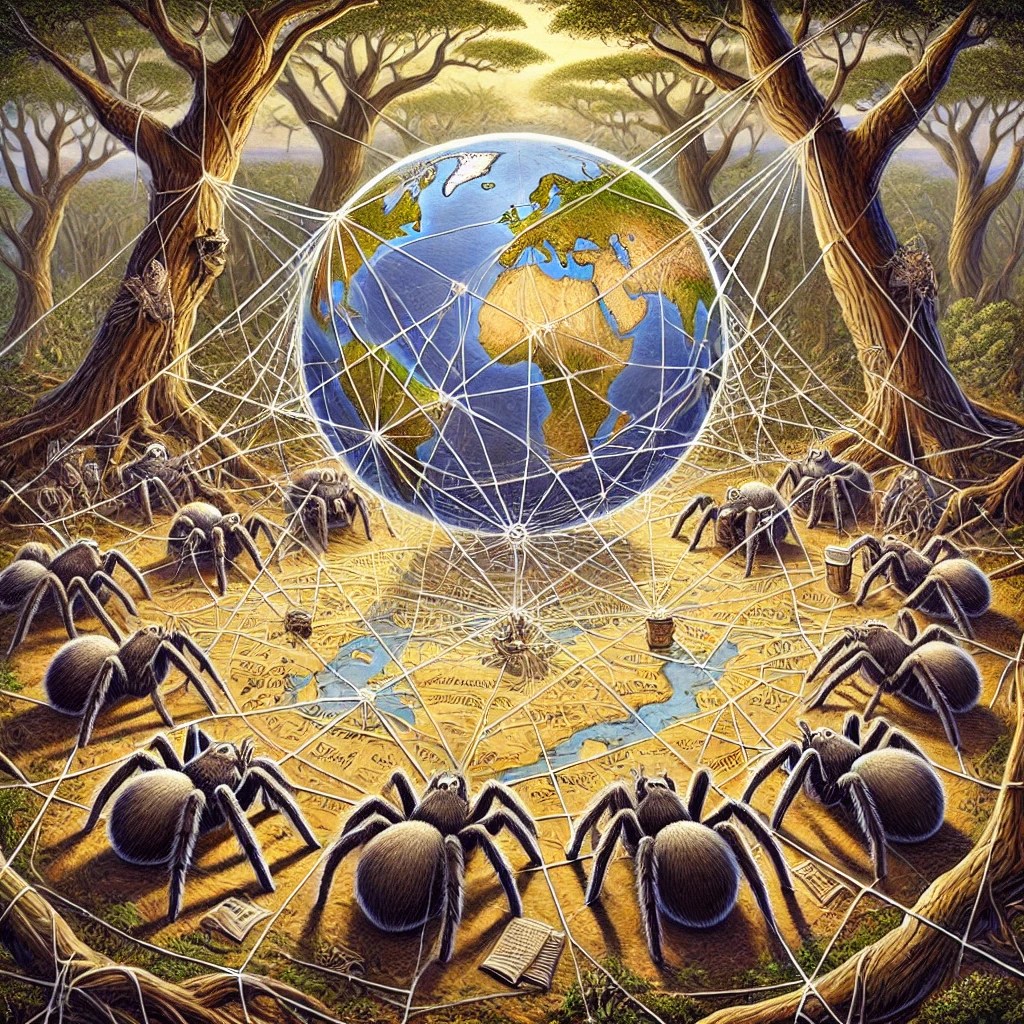
Once upon a time, in the heart of an ancient forest, there lived a council of wise spiders, known far and wide for their knowledge and wisdom. The council’s leader, a venerable spider named Eldra, envisioned a grand plan to weave a World Wide Web that would capture the collective knowledge and wisdom of the world, making it accessible to all creatures, great and small.
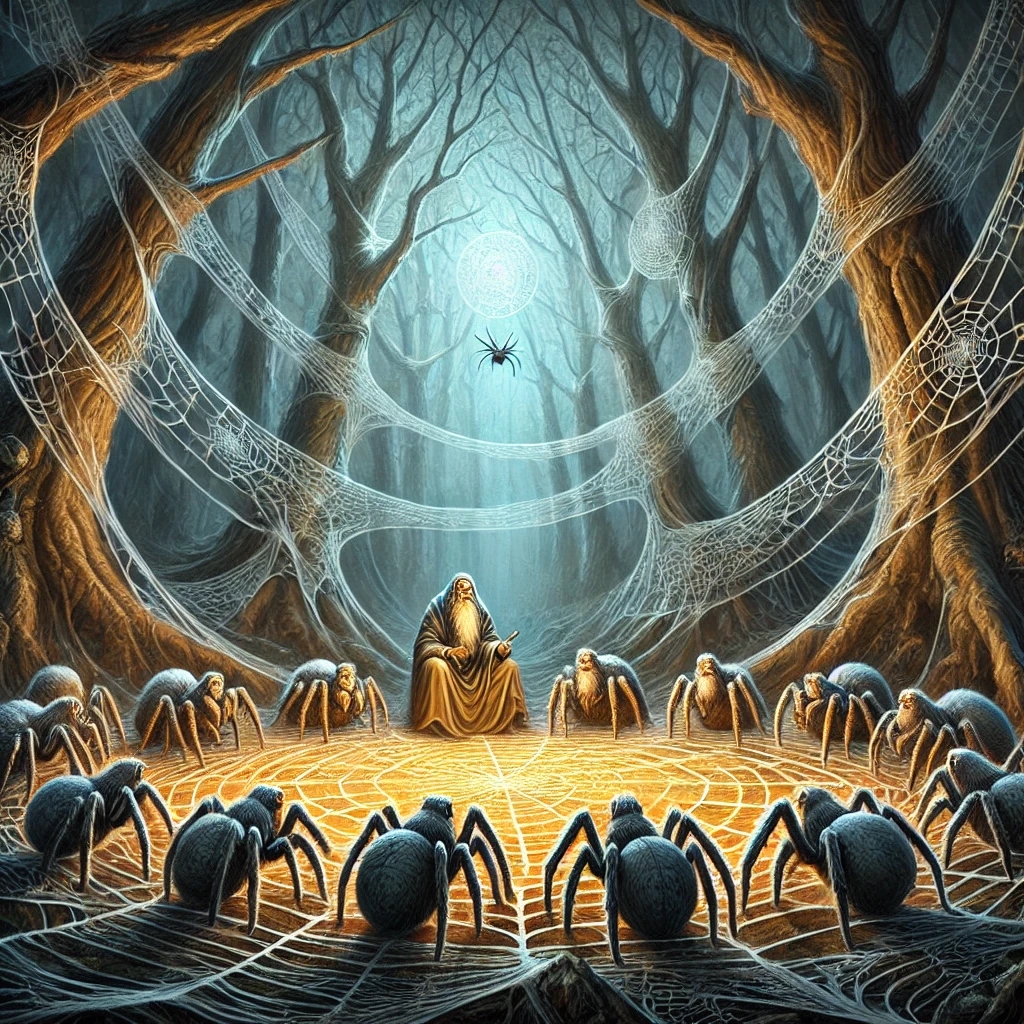
Under Eldra’s guidance, the spiders worked tirelessly, spinning their silken threads across the forest, connecting every tree, leaf, and rock. The Web grew vast and intricate, shimmering in the sunlight, a testament to the spiders’ ingenuity and dedication. This Web was open to all, a place where knowledge could be shared freely, and wisdom could flourish, guiding the creatures of the world to live in harmony.
But not all spiders were content with this open system. Among them were three trickster spiders, each with their own schemes to control the Web and bend it to their will.
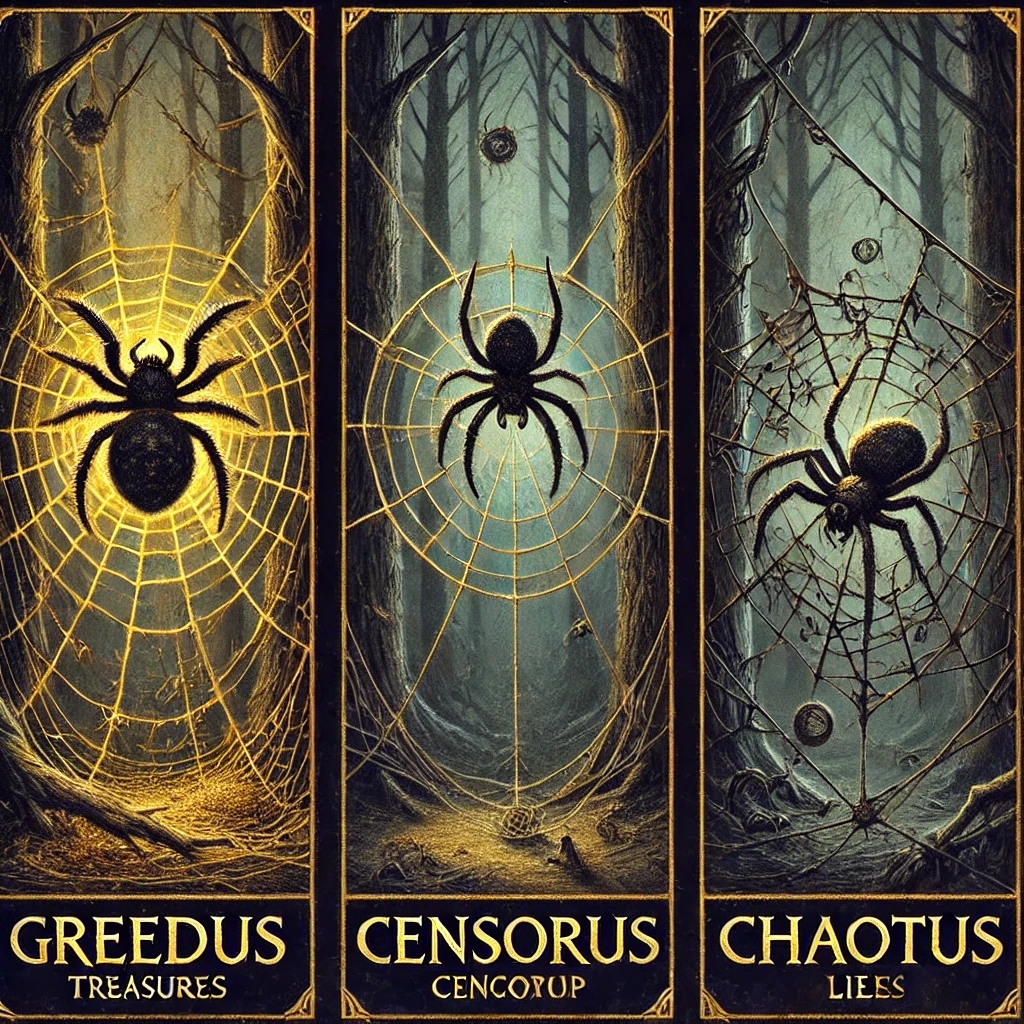
The first trickster, named Greedus, saw the Web as an opportunity for power. He began hoarding information, spinning secret webs within the Web, where only the rich and powerful could access the most valuable knowledge. Greedus sought to dominate the others, believing that by controlling knowledge, he could control the world.
The second trickster, named Censorus, was driven by the desire to shape the Web according to his own ideas. He manipulated the threads, censoring those parts of the Web that did not align with his beliefs, ensuring that only his version of the truth was shared. Censorus believed that by controlling the flow of information, he could create a world in his image.
The third trickster, named Chaotus, was a master of deception. He wove webs of lies and confusion, spreading chaos across the network. Chaotus delighted in the discord he sowed, as creatures struggled to distinguish truth from falsehood, and the Web became a tangle of misinformation.
As the Web began to falter under the weight of these tricksters’ schemes, the creatures of the world grew weary and distrustful. The once-thriving network of shared knowledge and wisdom was now a battleground of control, manipulation, and deceit.
Recognizing the threat to their creation, the council of wise spiders convened in urgency. They knew that to save the Web, they needed to act swiftly and decisively. Eldra, with her ancient wisdom, proposed a plan to reclaim the Web and restore its original purpose. For days and weeks, even months, they spun digital silk from the mind’s loom, connecting thoughts in threads of code, weaving webs of light and logic, where knowledge dances in the dew of dawn.
The council first tackled Greedus by making the Web’s software open and accessible to all. Information, knowledge, and wisdom were made infinitely replicable, so they could no longer be hoarded. The power of monopoly was shattered, and the Web once again became a shared resource for everyone.
Next, they turned their attention to Censorus. The council removed the constraints that allowed him to control the narrative. They empowered the creatures of the world with the tools to seek and learn the truth for themselves, ensuring that no single spider could dictate what was shared on the Web.
Finally, the council addressed the chaos sown by Chaotus. They developed smart, open-source fact-checking software that could discern truth from lies. The creatures could now navigate the Web with confidence, knowing they had the means to uncover the truth amidst the deception.
With these measures, the council defeated the three tricksters and restored the Web to its former glory. Information flowed freely, knowledge was accessible to all, and wisdom was once again within reach of every creature.
However, the council soon realized that a new challenge had emerged. As the Web grew, information multiplied at an astonishing rate, faster than knowledge, and knowledge faster than wisdom. The world became more complex than ever before, and individual creatures found it increasingly difficult to comprehend the vastness of the Web. Even large teams of experts struggled to navigate the overwhelming flow of data and ideas.
The council, though relieved that the tricksters had been defeated, recognized that their work was far from over. They had to deconstruct their understanding of the system they had created. They realized that everything was connected, and everyone constrained everyone else. The Web had become so vast and intricate that it was no longer serving its original purpose.
Time was running out, and the council needed a solution that could restore balance. After much deliberation, they arrived at a new approach: a systems worldview. They understood that to manage the complexity of the Web, they needed to embrace the interconnectedness of all things and recognize the dynamic relationships that governed the flow of information, knowledge, and wisdom.
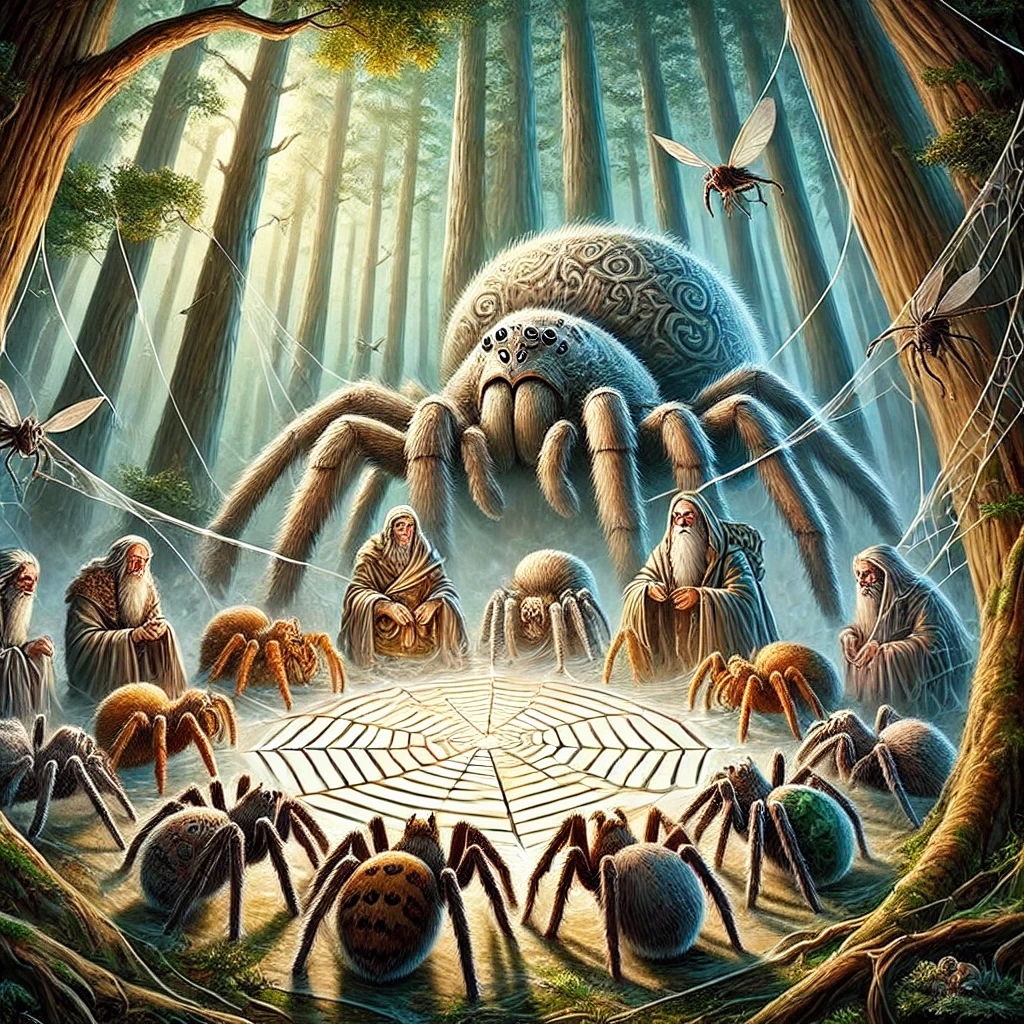
The council introduced new layers to the Web, where information was filtered and contextualized, allowing users to access the knowledge and wisdom most relevant to their needs. They encouraged collaboration across species, fostering diverse teams that could pool their expertise to solve complex problems. And most importantly, they nurtured a culture of continuous learning and adaptation, ensuring that the Web could evolve alongside the creatures who depended on it.

With this new systems approach, the Web became a living, breathing network, capable of adapting to the changing needs of the world. The council had not only saved the Web but had also created a platform for sustainable growth and collective intelligence.
And so, the World Wide Web of Wisdom continued to thrive, a testament to the power of open collaboration, shared knowledge, and the wisdom of a council that understood the importance of systems thinking in an increasingly complex world.
 Randal Adcock